

Cash flow management is the work of controlling the timing of money coming into the business against the money going out, so you can always pay your bills, your people and your tax on the day they fall due. It is not the same as profit. A business can be profitable on paper and still run out of cash, because a sale recorded in March might not be paid until June while the wages, rent and supplier invoices land every week regardless. Day to day, cash is what keeps the doors open — profit is the longer story the accounts tell at year end. Managing it well means knowing what is due in and out over the coming weeks, spotting a shortfall before it arrives, and having the room to act. For a small business with no finance team, that visibility is usually the difference between a manageable wobble and a genuine crisis.
Why is cash flow management important for small businesses?
Because running short of cash is common, costly and largely avoidable with a bit of foresight. Around 57% of UK small businesses — roughly three in five — have experienced cash flow problems, according to research published by QuickBooks (Intuit). It is not a fringe risk; it is the median experience. And the worry alone carries a real cost: research from HSBC UK found the average small-business leader spends 43 working days a year worrying about cash flow (reported by NewsAnyway) — well over a month of head-space lost to a problem that better visibility would shrink.
The point of managing cash flow is to move from reacting to planning. When you can see a tight month coming four weeks out, you have options — chase an overdue invoice, delay a discretionary purchase, draw on a buffer. When the same shortfall hits you on the day, you have very few.
What causes cash flow problems?
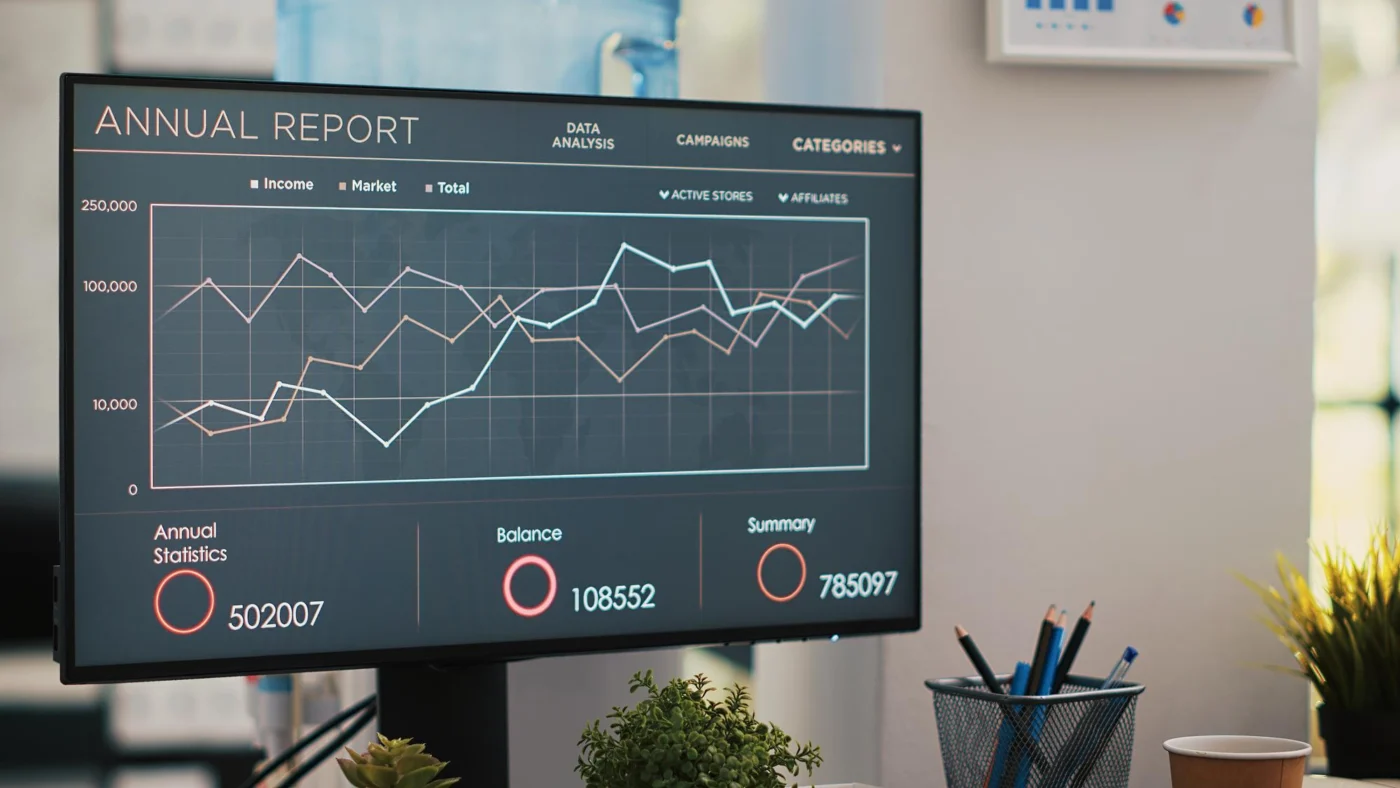
Most cash flow trouble comes from timing, not from a lack of profit. The usual culprits:
- Late payment. The largest single cause for most small businesses — work is done and invoiced, but the money arrives weeks late, leaving you to cover costs in the meantime. The Federation of Small Businesses identifies late payment as a leading cause of small-business cash flow difficulty and a serious threat to viability.
- Over-trading. Growing faster than the cash can keep up with — taking on bigger orders that need stock, staff and materials paid for long before the customer pays you.
- Seasonality. Income that bunches into part of the year while costs stay level across all of it.
- Poor visibility. Not actually knowing what is due in and out — so a predictable shortfall arrives as a surprise.
The first three are facts of trading life; the fourth is the one you can fix outright, and fixing it makes the other three far easier to handle.
How do you manage and improve cash flow?
You manage cash flow by shortening the gap between money out and money in, and by always knowing what is coming. None of it is complicated — it is mostly about doing a few unglamorous things consistently. The practical steps:
| Step | What it does |
|---|---|
| Build a cash flow forecast | Shows money in and out over the coming weeks so shortfalls are visible early |
| Invoice promptly and chase | Closes the gap between doing the work and being paid for it |
| Set clear payment terms | Tightens when customers actually pay; makes late payment easier to enforce |
| Manage stock and supplier terms | Stops cash being tied up in inventory or paid out earlier than it needs to be |
| Keep a cash buffer | Gives you room to absorb a late payment or a quiet month without panic |
| Plan for tax timing | Sets money aside so an income-tax or VAT bill never lands as a shock |
Of these, prompt invoicing and disciplined chasing usually move the needle fastest, because late payment is the most common cause in the first place. A buffer and a forecast then turn the remaining surprises into things you can see in advance and plan around.
What is a cash flow forecast and how do you build one?
A cash flow forecast is a simple projection of the cash you expect to come in and go out over a set period — typically the next 13 weeks or the next 12 months — so you can see, week by week, whether your bank balance stays positive. It is the single most useful tool for getting ahead of a shortfall.
To build one, you start with your opening cash position, add the receipts you realistically expect (and when they will actually land, not when you invoiced), subtract the payments you know are due — wages, rent, suppliers, tax — and carry the running balance forward. The discipline is in the timing and the realism: a forecast that assumes every customer pays on time is comforting and useless. The real value comes from reviewing it against what actually happened each month and adjusting, which is exactly where regular management accounts for an Isle of Man business earn their keep. We cover building a full set of projections in our companion guide to financial forecasting.

How clean books surface a cash problem early
The reason cash problems blindside owners is rarely the maths — it is the lack of a current, accurate picture to read it from. When the books are months behind, a shortfall is already on top of you before anyone notices. When they are kept current, the same shortfall shows up as a line on a forecast weeks ahead, while there is still time to act. That early warning is most of the value of a working back office.
We have seen this first hand. For Saddle Mews, a residential estate that moved to a resident-owned trust, our team rebuilt five years of historical accounts from scratch, set the business up on QuickBooks and put a dedicated bookkeeper on the ongoing work — turning a tangle of historical records into a live, monthly view the owners could actually plan from. That is the quieter cost of poor visibility: not just the admin, but the decisions you can't make because you can't see clearly. We wrote about it in more depth in our piece on the hidden cost of poor financial visibility, and it is core to what we do as a back-office support partner — keeping the figures current enough that cash is something you manage, not something that happens to you. It is the backbone of our outsourced accounting and bookkeeping service.
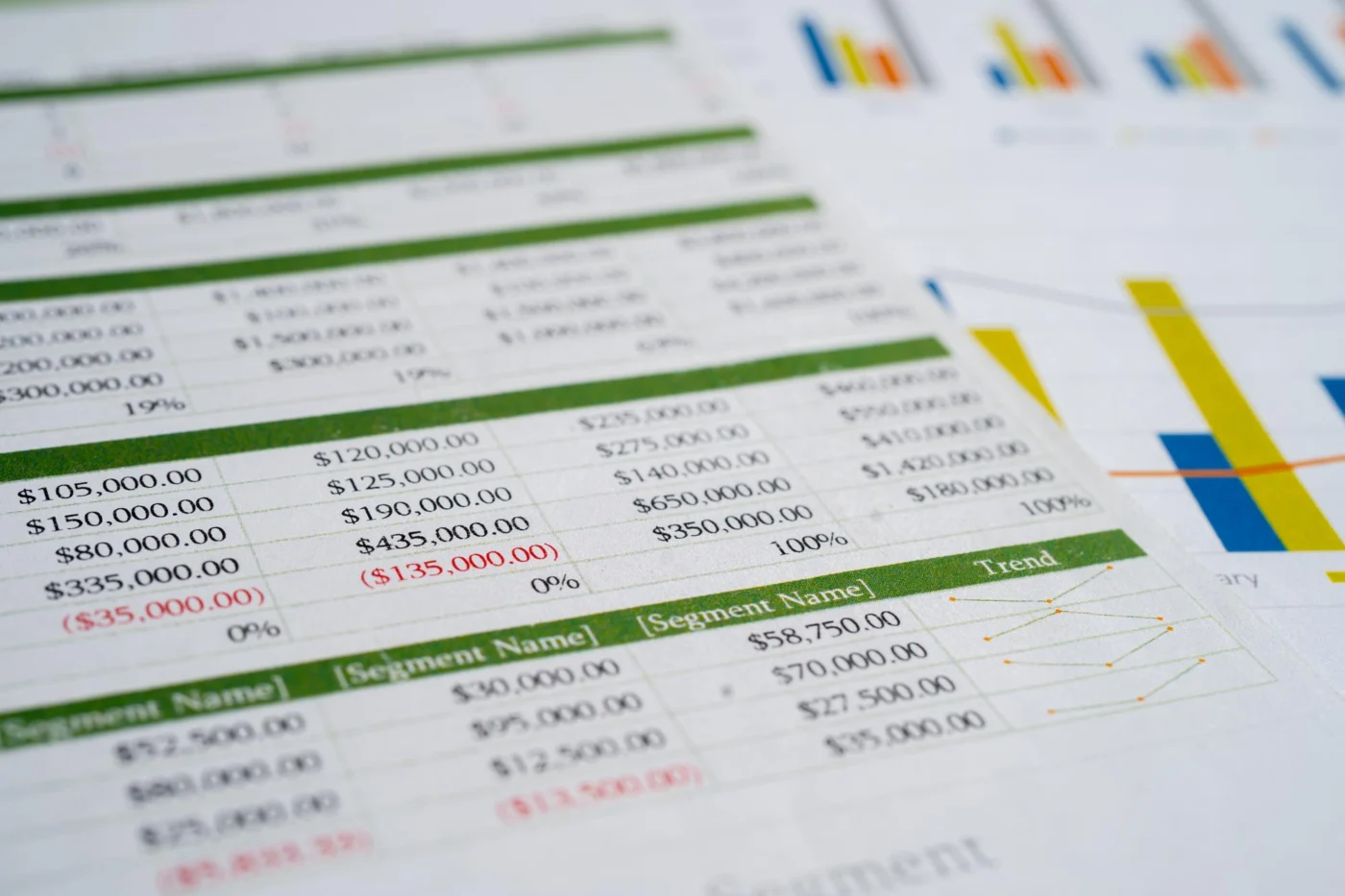
That is the everyday value of an accountancy firm in Douglas keeping the records current: the problem shows up in a report while there is still time to do something about it.
Frequently asked questions
What is cash flow management? Cash flow management is controlling the timing of money coming into and going out of a business so it can always meet its obligations — wages, suppliers, rent and tax — as they fall due. It focuses on cash actually moving, which is different from profit; a profitable business can still run short of cash if money comes in slower than it goes out.
Why is cash flow important for small businesses? Because cash, not profit, is what keeps a business operating day to day, and shortfalls are common. Around 57% of UK small businesses — three in five — have experienced cash flow problems (QuickBooks/Intuit), and the average small-business leader spends 43 working days a year worrying about it (HSBC UK). Managing it well replaces that worry with foresight.
What causes cash flow problems? Late payment is the leading cause for most small businesses (FSB), followed by over-trading (growing faster than the cash can support), seasonality, and poor visibility over what is actually due in and out. The first few are part of trading; poor visibility is the one you can eliminate.
How can a small business improve cash flow? Forecast your cash week by week, invoice promptly and chase overdue accounts, set clear payment terms, manage stock and supplier terms so cash isn't tied up, keep a buffer, and set money aside for tax. Prompt invoicing and chasing usually help fastest, because late payment is the most common cause.